
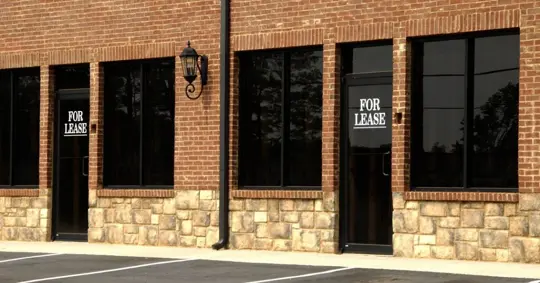
Managing a commercial property in Dallas, TX, comes with its challenges. Whether you are dealing with tenant disputes, boundary disagreements, zoning issues, or unclear property claims, conflicts can disrupt operations, reduce income, and expose you to legal liability. Landlords face unique responsibilities that require careful planning and proactive management to protect both their investment and business operations.
At Sprigg-Novak Law Firm, PLLC, we understand the complexities landlords face when safeguarding their properties. Fortunately, there are steps you can take to minimize the risk of costly disputes under Texas law and maintain control over your commercial property.
Review and Strengthen Your Lease Agreements
Well-drafted lease agreements are crucial for protecting your property and reducing the likelihood of conflicts. One of the most common issues landlords face arises from vague or incomplete lease language that leaves obligations unclear.
- Lease clarity: Clearly define tenant responsibilities, payment terms, deadlines, and remedies for noncompliance. Ambiguity can invite disputes and create enforcement challenges. For example, specifying whether tenants handle HVAC maintenance or routine repairs prevents disagreements later.
- Legal review: Have a Dallas attorney draft or review leases to ensure compliance with Texas law and proper allocation of obligations. This can include confirming that rent escalation clauses, late fees, and default remedies are enforceable.
- Dispute resolution clauses: Include options for mediation or arbitration to resolve disagreements efficiently and cost-effectively, rather than immediately resorting to litigation.
Strong leases create a solid foundation for protecting your landlord rights and can prevent disagreements before they arise.
Maintain Accurate Records and Documentation
Keeping detailed records is essential for protecting your property. Landlords who track tenant agreements, preserve correspondence, log payments, and maintain inspection and maintenance records are in a stronger position if legal enforcement becomes necessary.
Clear communication with tenants is equally important. Promptly address complaints, document maintenance requests, and follow up in writing. These practices not only prevent disputes from escalating but also provide evidence that can support your rights if enforcement under Texas law becomes necessary. Photos, dated inspection reports, and written correspondence are often critical in resolving conflicts.
Know Your Rights and Obligations Under Texas Law
Understanding your legal rights empowers you to act proactively and avoid liability.
- Property rights and zoning: Dallas zoning laws impact property usage, expansions, and permitted activities. Noncompliance can result in fines or disputes with local authorities.
- Lease enforcement: Texas law governs tenant obligations, default notices, and remedies for lease violations. Being familiar with these rules ensures you can respond appropriately to nonpayment, property damage, or other breaches.
- Enforcement timelines: Notice and filing deadlines for property claims are strictly enforced. Missing deadlines can limit your ability to recover damages or enforce lease terms.
By staying informed, you can protect your property, enforce leases confidently, and respond effectively if disputes arise.
Conduct Regular Inspections and Property Maintenance
Preventing disputes starts with proactive property management. Conduct regular inspections to identify safety hazards, maintenance needs, or compliance issues early. Documenting the property’s condition—through inspection reports and photographs—strengthens your position if disputes arise over damages, repairs, or security deposits. Routine maintenance and safety checks also help reduce tenant complaints and liability exposure.
Implement Insurance and Risk Management Strategies
Financial protection is an essential part of property management.
- Tailored coverage: Ensure property and liability policies cover damages, tenant claims, and business interruptions.
- Understand limits: Review your policies to know what is and isn’t covered, avoiding gaps that could leave your property at risk.
- Plan contingencies: Develop strategies for responding to tenant disputes, property damage, or enforcement of lease obligations.
Proactive insurance and risk planning strengthen your ability to manage conflicts effectively.
Plan for Lease Turnover and Dispute Resolution
Planning for the end of a lease is just as important as managing it during the term. Conduct thorough move-out inspections, document property condition, and address security deposits according to Texas law. Open communication and early dispute resolution—such as mediation—can prevent conflicts from escalating and help maintain positive landlord-tenant relationships.
Take Control of Property Disputes in Dallas, TX
Disputes over commercial property can impact income and operations for years. By taking proactive steps—reviewing leases, documenting communications, understanding Texas law, maintaining property, planning risk management, and preparing for lease turnover—landlords can protect their investments and minimize disruption.
If you are dealing with tenant conflicts, lease enforcement issues, or need guidance on preventing disputes, contact Sprigg-Novak Law Firm, PLLC at (903) 310-1312. Our Dallas team will help you safeguard your property and enforce your rights effectively.